Book a call

Helping older adults
feel better

through cognitive rehabilitation
and conversations about family history
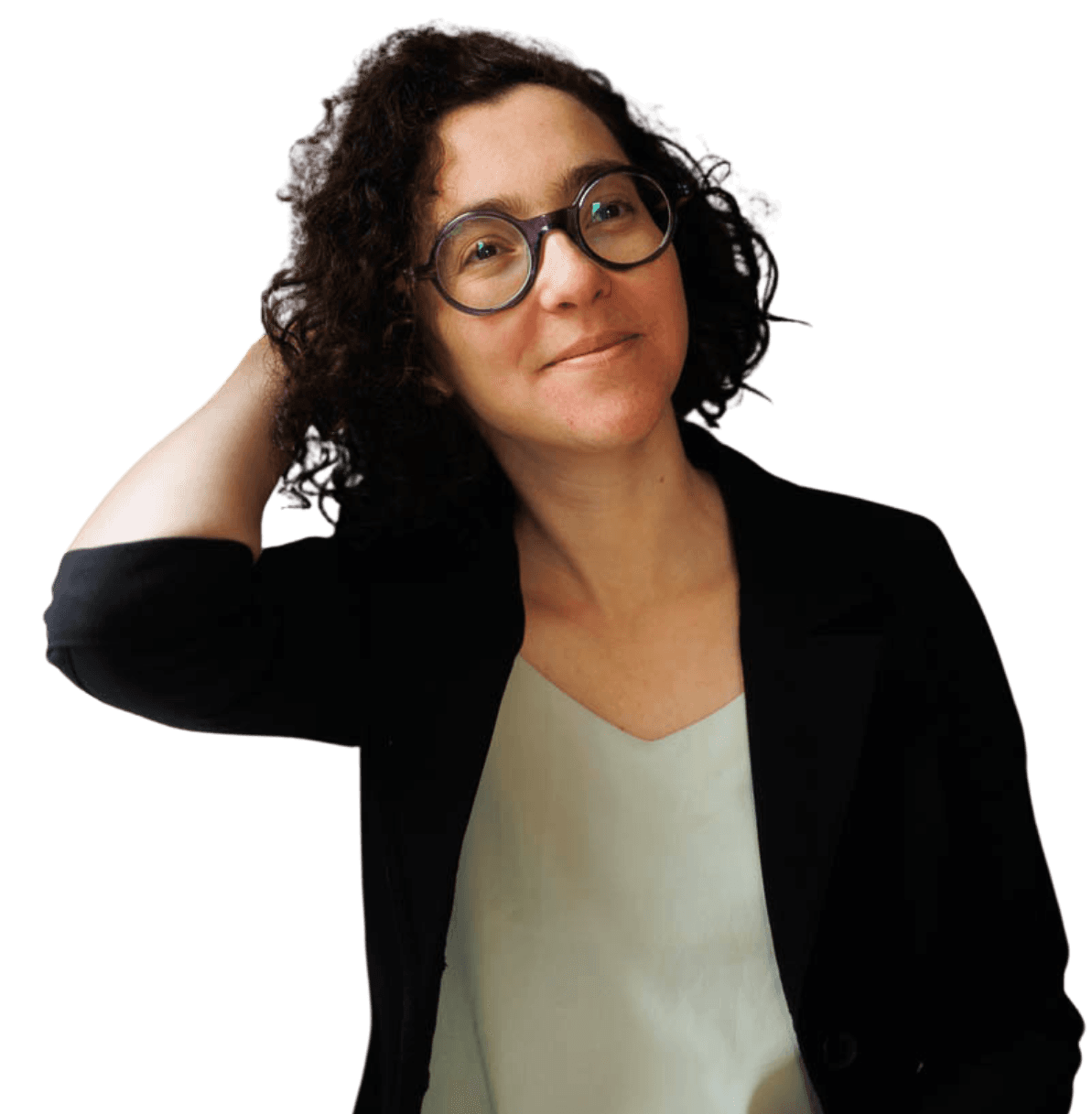
Nadezhda
Syrkina
Psychologist
with 11 years of experience
Nadezhda Syrkina

Services

Cognitive rehabilitation

Regular meetings where we play, complete exercises, and activate memory, speech, and attention. With some people we recall simple words and concepts; with others we discuss music and films. These sessions help wake up the brain, support stability, and bring back interest in life. I tailor the program individually to each person's interests and condition.
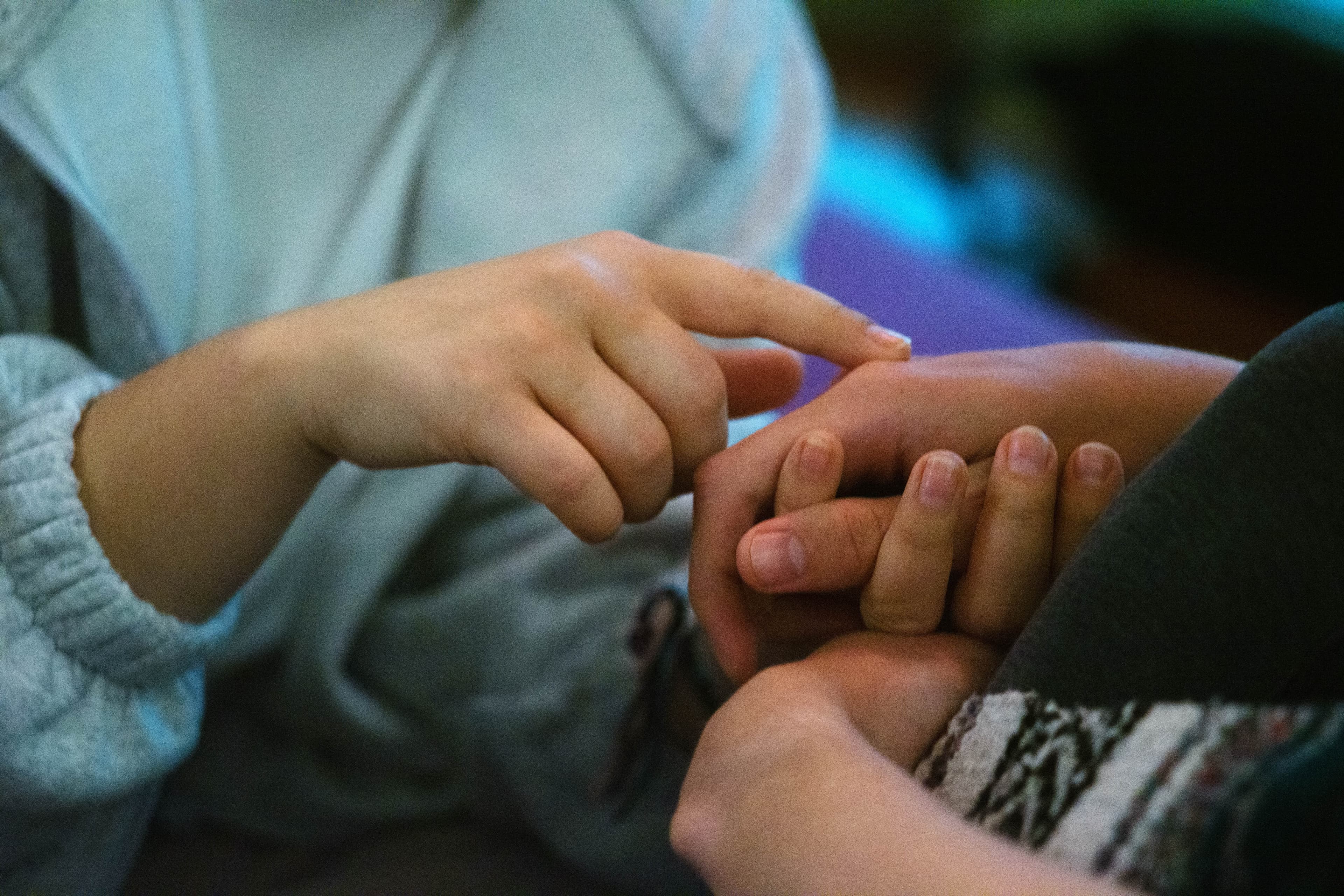
Cognitive rehabilitation
Biographical conversations

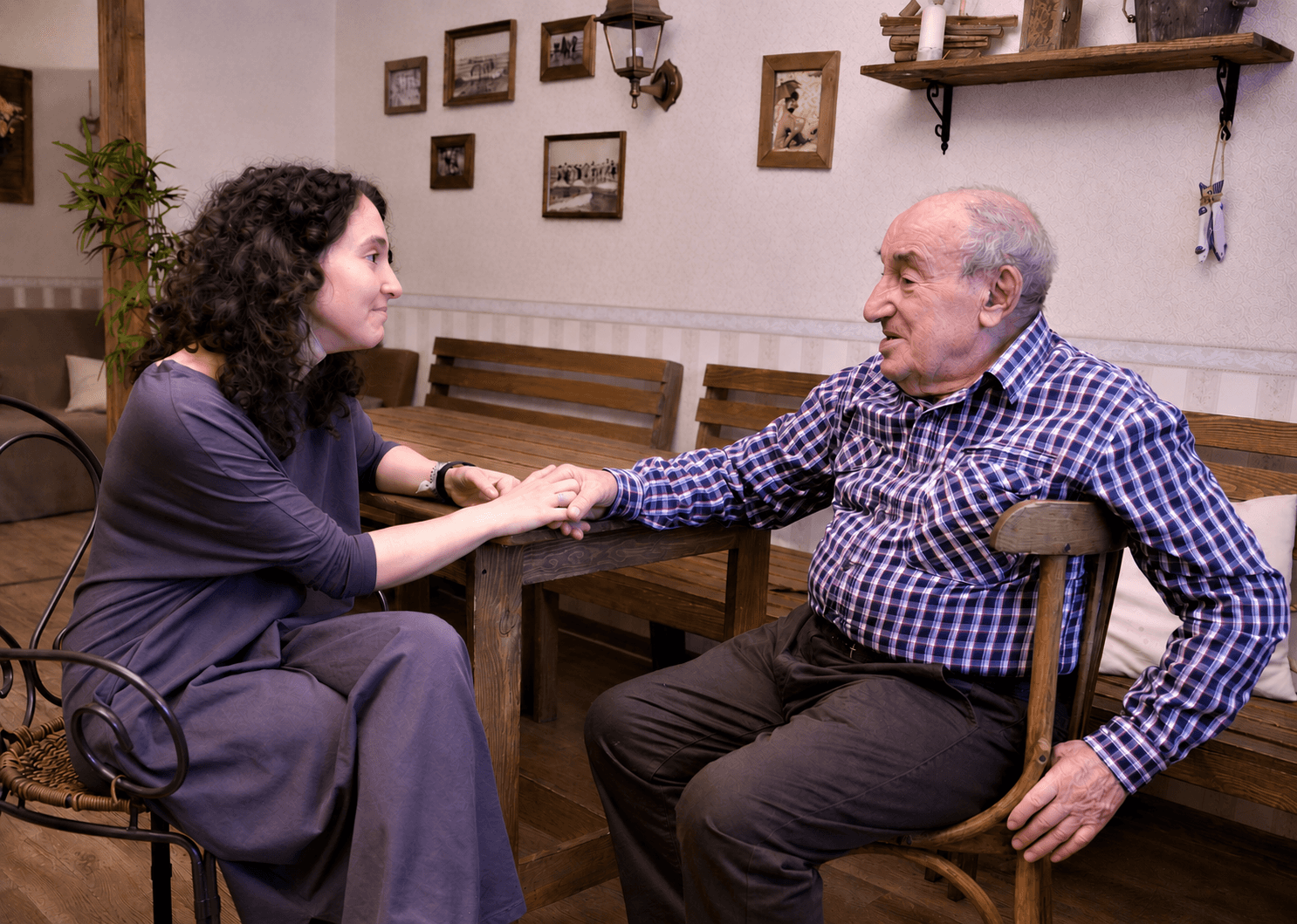
Biographical conversations

Regular meetings where we talk about the person, their ancestors, and life events. We laugh a lot and discuss both the joyful and difficult parts of the past and present. I ask specific questions that help revive memories and reveal the value of personal experience. Many people say they feel less lonely after our calls. The most important memories can also be preserved and passed on to children and grandchildren.

What methods do I use?

  • Cognitive rehabilitation — helps engage the brain in active work and supports memory, attention, speech, and other cognitive functions.
  • Restorative learning — helps find new ways to cope with daily life when familiar strategies become less effective.
  • Reminiscence therapy — helps activate autobiographical memory, strengthen a sense of personal value, and reduce loneliness through conversations about meaningful life events.

Who is this for?

For older adults who

  • notice age-related changes in memory, attention, or thinking
  • live with neurological or neurodegenerative conditions and want to maintain activity and quality of life for as long as possible
  • feel lonely, anxious, or simply want an attentive conversation partner

For relatives who want to

  • give their loved one a consistent, warm conversation partner
  • feel calmer about their loved one's emotional and cognitive state
  • reduce guilt when distance or a busy schedule makes it hard to communicate as often as they would like
  • preserve family history through memories and stories
  • remain part of a loved one's life, even from far away
Session price

40 €

1-hour online session

I want to book!

My name is Nadezhda.
I am a psychologist and the founder of Still You.

I have a university degree in psychology, specialize in developmental and aging psychology, and have extensive experience working with older adults.
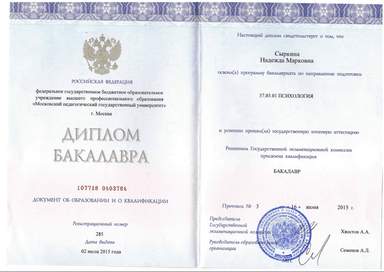
Diplomas!

Diploma

My superpower is genuinely enjoying conversations with older adults, even when someone tells me the same thing for the tenth time. Whatever a person's condition, I meet them with care, respect, and warmth.
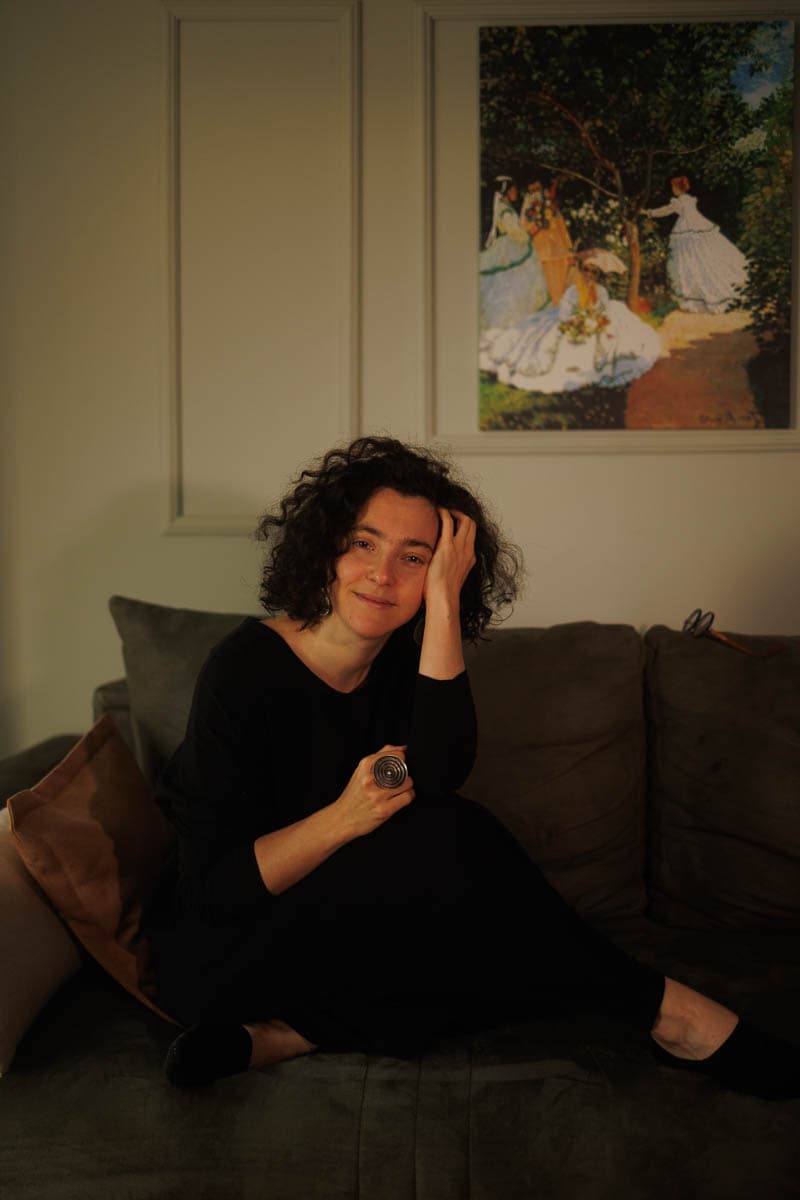
Nadezhda

Testimonials

L., 79 years old

recovering after brain surgery. Here is what her relatives say:

Nadya, hi! I wanted to ask whether you might be ready to do something with L. again. When you were working together, she was consistently reading books on her own. Now she does not read. We even bought her an e-reader, but she struggles through it with great difficulty. It seems she really needs regular eye-muscle training, otherwise her vision declines... And your meetings also gave her meaningful, regular activity. Shall we continue them?

S., 93 years old

lives with her husband and granddaughter

Grandma always says she feels better after calls with you. That is the most important thing.

We also learn many new things about our relatives, which is wonderful too.

V., 85 years old

lives with her daughter and has moderate dementia

It is great that you give such varied exercises for associations, thinking, and logic. I wanted to find someone who would not just talk about life with her, but would actually make her brain work at least a little. She had given up everything: knitting, drawing, books... She would only lie down and watch TV. Her speech was getting worse too — she forgot words. And after the session with you on Thursday, she started reading a book!

T., 80 years old

lives with her daughter and has mild dementia

Nadya, hello!

Mom came back from the meeting with you happy. She said it was interesting and that you are a new and interesting person for her.

When asked whether she wanted to continue communicating, Mom said she would meet once more :))

I am very grateful to you 🙏 Lately Mom has been constantly turning over thoughts in her head about how to take her pills... She gets stuck on it. Maybe thanks to you, her mind can get some relief. You discussed recipes with her, so maybe now her head will be occupied not by anxiety, but by the Napoleon cake recipe...

T., 89 years old

lives alone. Here is what her daughter says:

Mom does not have enough communication. She does not want to move in with me, and when we see each other, unfortunately everything comes down to complaints about health. So there is not really communication, because it is rare and all about problems. I am tired too, busy with my own responsibilities, and I cannot always support her properly...

M., 77 years old

lives with her daughter

Before we started working with you, I thought about finding and arranging with someone who also has elderly parents, so they could meet and talk at least once a week.

But with everything going on, it is hard to find the time.

Then I saw your post in a Facebook group and I am glad I wrote to you. Your sessions are much better for her than just empty chatting with someone. And she does not want to go anywhere anyway. Even if I simply invite her to drink coffee outside the house, she says no: “I will drink coffee at home, that is all.”

N., 82 years old

cares for her bedridden husband. Here is what her daughter says:

After your meetings, Mom began remembering her youth much more often. She suddenly took out old photographs that had been lying in the closet for many years and started telling us stories about her family. Some of them we had never heard before. For me, it turned out to be unexpectedly valuable. It felt as if we got to know Mom a little all over again.

Frequently Asked Questions

1. Who are these meetings for?

I work with older adults, usually aged 70 and above. If your loved one can communicate online, I will adapt the session format to their condition, pace, and interests.

If you are not sure whether these sessions are right for your situation, we can discuss it during an initial consultation.

2. What if the person remembers little, has changing states, or does not want to communicate?

In many cases, it is worth trying.

It is normal for an older person to feel tense about talking to someone unfamiliar. That is why the preliminary call is useful: we discuss how to introduce the idea so it does not cause anxiety or resistance.

If a person says they do not remember anything, I gently help them reach for those memories. They do not need to remember their whole life for our meetings to be useful. If memories are truly hard to access, we focus on games and cognitive exercises.

I have worked with older adults for a long time and know that their state can vary greatly. That is why I stay in touch with you. If you see that your loved one is not up for a session on a given day, we can reschedule it free of charge within the same week.

3. How do the meetings work?

I adapt the program to the person's condition and needs, creating a calm and friendly atmosphere where it is easier for them to relax.

All conversations remain confidential. I never share records or materials without your permission.

Technical details: meetings are held online in Zoom, across different time zones, in Russian. One meeting lasts 60 minutes, and the frequency depends on our agreement. If Zoom is not suitable for you, we can discuss alternatives.

4. What makes these meetings different?

My approach combines modern methods of cognitive and psychological support. I do not use generic exercise books; I choose exercises, conversation topics, and session formats based on the person's condition, interests, and life experience.

These meetings do not replace medical treatment or psychotherapy, but they can become a natural complement to them.

If you have photos, letters, or meaningful objects, we can use them during the meetings. This is optional: even without them, sessions can be useful and help support memory, thinking, and interest in life.

5. What if the older person cannot use a computer?

That is not a problem. I do not need the person to be technically confident. I will simply ask you to help your loved one connect and sit comfortably in front of a device with a microphone, camera, and internet access.

6. How will I know what happened during the meeting?

After each meeting, I try to send a short report: I describe how the session went and share observations and ideas.

7. Can memories be turned into a family archive?

If you wish, memory texts can be combined with photos and a family tree. This helps preserve a person's life story in digital form and pass it on to future generations.

This is a separate service; its format and cost are discussed individually.
